Flip Your Space Fast: Furniture Layout Hacks Without a Toolbox
Flow Comes First
The Invisible Path Test
Carry a tray or laundry basket and walk your usual route. If you bump edges or turn sideways, your layout is stealing space. Slide the sofa forward a few inches, pivot a chair slightly, or shift a console to open a graceful lane. Keep shoulders relaxed while walking; comfort is your measurement tool. Re-test at different times of day until the route feels effortless and naturally welcoming.
The Diagonal Rescue
Rooms that feel boxy often loosen up when a chair or rug sits at a gentle diagonal. Try rotating one key piece fifteen to thirty degrees and notice how corners suddenly look purposeful, not abandoned. The diagonal adds momentum, softens long corridors, and reframes your focal point. If it looks odd at first, reduce the angle slightly. Keep traffic lines smooth, and let the diagonal guide eyes toward light or greenery.
Scale, Balance, and Visual Weight


Focal Points You Can Move
Leaning Art Ladder
Stack two or three framed pieces against a wall like a casual ladder, tallest in back. Overlap edges slightly to create depth, and place a low object—like a small plant or sculpture—at the base for grounding. Because nothing is fixed, you can adjust spacing until reflections and shadows feel balanced. This flexible feature turns a bland wall into an editor’s corner and refreshes in seconds with a new top piece.
Plant as a Punctum
A tall, leafy plant instantly becomes a visual exclamation mark when positioned near a corner or window. Move it a foot forward and angle the leaves toward seating to capture attention. Pair with a basket or stool to lift the silhouette. Rotate occasionally so growth remains even. As light shifts, the plant animates the space, giving you a living focal point that changes character throughout the day without any permanent changes.
Rug Rotations and Layering
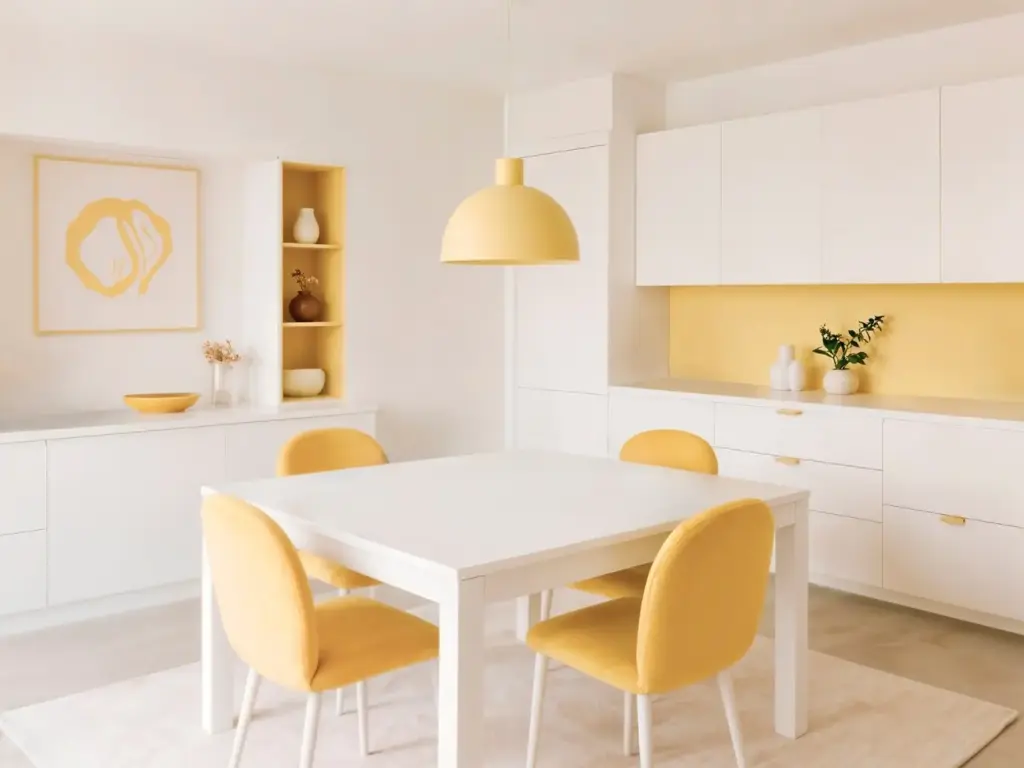
Rotate Ninety, Refresh Completely
Spin your main rug so the long edge follows the longest wall or aligns with the main window. This instantly changes sightlines and encourages new furniture groupings. Slide the coffee table and front sofa legs onto the rug for cohesion. If the room suddenly feels narrower, pivot back fifteen degrees until balance returns. This micro-adjustment often resolves odd proportions and invites more natural conversation arcs without moving every single piece.
Layer to Reframe Zones
Spin your main rug so the long edge follows the longest wall or aligns with the main window. This instantly changes sightlines and encourages new furniture groupings. Slide the coffee table and front sofa legs onto the rug for cohesion. If the room suddenly feels narrower, pivot back fifteen degrees until balance returns. This micro-adjustment often resolves odd proportions and invites more natural conversation arcs without moving every single piece.
Edge-Align for Calm
Spin your main rug so the long edge follows the longest wall or aligns with the main window. This instantly changes sightlines and encourages new furniture groupings. Slide the coffee table and front sofa legs onto the rug for cohesion. If the room suddenly feels narrower, pivot back fifteen degrees until balance returns. This micro-adjustment often resolves odd proportions and invites more natural conversation arcs without moving every single piece.



Bedrooms and Compact Corners
Style in Minutes: Surfaces That Sing
The Tray Trick
Set a tray on your coffee table to corral items into a pleasing island. Add a candle for glow, a small plant for life, and a book for personality. The tray’s edges create instant order and invite quick resets before guests arrive. Swap in seasonal accents, rotate the tray ninety degrees, or slide it off-center to match your seating angle. This minute-long maneuver reads polished without feeling stiff or scripted.
Books as Risers
Use hardcover books to lift small objects so they do not drown on a flat surface. Stack two or three with aligned spines, then place a bowl, speaker, or sculptural piece on top. The change in height adds rhythm and authority. Choose book colors that echo nearby textiles for cohesion. Rearrange stacks occasionally to avoid dust imprints and keep compositions lively. This reliable trick delivers designer-level dimension without complicated styling lessons.
Color Echoes
Pick one accent color from a pillow or artwork and repeat it in two more places on the same surface. A candle vessel, coaster, or ceramic bud vase can carry the hue. The repetition ties unrelated objects together so the arrangement feels intentional. Keep at least one neutral anchor for balance. If it appears too loud, reduce saturation rather than removing the echo entirely. Your eye will register harmony even before noticing specifics.


All Rights Reserved.